


Editorial
Emerging Markets Debt: How Q3 2026 Repriced Every Raise
November 2, 2026 - Emerging Markets debt repriced through Q3 2026, so sponsors must size the senior-debt slot against observed terms, not 2025 forecasts.
Global Spotlight

In 2025, emerging markets will drive global economic transformation, offering significant investment opportunities. Key themes such as AI adoption, sustainable infrastructure, and green finance will dominate the global agenda. Below is our selection of the top 10 countries to watch at the World Economic Forum 2025 given their innovation and growth. Investors and businesses seeking high returns should monitor these markets closely for emerging opportunities.
Brazil remains a leader in renewable energy, with 84% of its electricity coming from renewables. Additionally, Brazil has pledged to cut emissions by 48% by 2025 and reach carbon neutrality by 2050, making it a key player in sustainable development. Key sectors include renewable energy, agritech, fintech, and digital transformation. Billions in foreign direct investment flow into Brazil, attracted by government-backed green hydrogen and large solar projects. Business owners stand to benefit from Brazil’s vast consumer market and improving infrastructure, making it a top destination for investment opportunities in emerging markets. The nation’s sustainability focus and its expanding middle class make it ideal for long-term business growth.
 India remains a global hub for technology and innovation. With US$200B in annual IT exports and a vibrant startup ecosystem, India is a global leader in software services. Major infrastructure projects, including the development of 100 smart cities, enhance its attractiveness for investors. Key sectors include AI, fintech, smart cities, and renewable energy. India plans to install 500 GW of renewable energy capacity by 2030, offering significant investment opportunities. Business owners should explore India’s AI-driven economy, vast consumer market, and robust digital ecosystem. With initiatives like the development of 100 smart cities and renewable energy expansion, India presents significant opportunities in infrastructure and clean tech. Engaging with this vibrant market can yield substantial returns for investors.
Vietnam is strengthening its position in global supply chains with a focus on high-tech manufacturing, which contributes over 20% to the country’s GDP. Key sectors include high-tech manufacturing, smart cities, electronics, and automotive production. The manufacturing sector has been at the epicenter of the country’s high growth, driven by rising electronics and machinery exports. Trade agreements, such as the Comprehensive and Progressive Agreement for Trans-Pacific Partnership (CPTPP) and the EU–Vietnam Free Trade Agreement (EVFTA), provide access to key global markets, while government incentives, including tax breaks and infrastructure support, continue to attract foreign investors. The country’s skilled workforce offers competitive advantages in high-tech and automotive manufacturing. Companies should capitalize on Vietnam’s surging high-tech production, strategic trade partnerships, and forward-thinking urban developments.
Nigeria dominates Africa’s fintech and renewable energy sectors, driving significant investment as one of Africa’s largest economies. Key sectors include fintech, digital banking, renewable energy, and infrastructure. In 2024, Nigeria’s fintech ecosystem attracted over US$2B in investments, reflecting rapid growth in digital banking and lending. At the same time, renewable energy projects, particularly solar power initiatives, are addressing energy access challenges. Infrastructure improvements and supportive policies create a fertile ground for investors. Digital banking and clean energy present high-growth opportunities essential for Nigeria’s sustainable development. Business owners can harness Nigeria’s dynamic fintech scene, fast-growing renewable power projects, and ambitious infrastructure expansion.
Indonesia, Southeast Asia’s largest economy is one of the world’s top producers of nickel, a critical mineral for EV batteries. Its US$1.3 trillion economy thrives on diverse exports, including coal, palm oil, and ferroalloys. The digital economy is projected to reach US$146B by 2025, driven by rapid adoption of technology and e-commerce expansion. Key sectors include renewable energy, critical minerals, digital services, and EV supply chains. Government policies supporting net-zero emissions by 2060 drive investments in clean energy and infrastructure. Business owners can benefit from Indonesia’s youthful workforce and booming digital economy. With abundant natural resources and expanding infrastructure, Indonesia remains a critical player in the global energy transition.
Mexico benefits from the rising nearshoring trend, attracting companies to relocate supply chains closer to North America. Key sectors include automotive manufacturing, nearshoring logistics, renewable energy, and electronics. In 2023, Mexico surpassed China as the U.S.’s biggest trading partner, reaffirming its strengths as a production platform for the U.S. and as a market for U.S. exports. The automotive sector, where investment nearly doubled to an estimated US$8.5B in 2023, has accounted for 40% of that foreign direct investment. Moreover, Mexico’s renewable energy projects help power its growing industries while meeting sustainability goals. Trade agreements with the U.S. and strategic geographic location enhance its appeal. Firms can benefit from Mexico’s rising role in nearshoring, booming automotive sector, and increasing renewable energy output.
South Africa leads in mining critical minerals while expanding its renewable energy capacity in the region. Key sectors include mining, critical minerals, clean energy, and infrastructure development. The mining industry contributed significantly to South Africa’s GDP, with substantial investments in the sector. Meanwhile, the country has installed over 14 gigawatts of renewable energy capacity, according to the World Economic Forum with plans to further expand to meet energy demands and sustainability goals. Solar and wind energy projects continue to attract substantial investment, helping meet growing energy demands. Critical mineral supply chains remain crucial for global industries. Investors should focus on clean energy partnerships and critical mineral projects, as these sectors offer strong, sustainable returns. Visionary entrepreneurs should explore South Africa’s rich critical mineral reserves, expanding solar and wind farms, and evolving infrastructure landscape.
The UAE stands out as a global leader in innovation across multiple sectors. Key sectors include artificial intelligence, fintech, aerospace, and renewable energy. Following COP28, the UAE aims to triple its renewable energy capacity by 2030, reaching 14 gigawatts. Advanced AI applications and fintech solutions will also grow rapidly, with regulatory support fostering market confidence. The UAE’s aerospace ambitions include the Emirates Mars Mission and further space exploration projects. These initiatives attract global attention, cementing its innovation hub status. With strong infrastructure and clear regulations, investors can benefit from emerging opportunities in clean energy, AI, and aerospace. Entrepreneurs should seize the UAE’s edge in AI-powered solutions, world-class fintech innovations, and bold clean energy goals.
Poland emerges as a digital economy and cybersecurity leader in Europe. Key sectors include cybersecurity, digital economy, and advanced infrastructure. The Polish digital economy is estimated at US$44B and represents substantial potential for growth, with projections to reach US$123B by 2030, comprising 9% of Poland’s GDP. The cybersecurity market also shows robust growth, with significant investments in infrastructure and innovation. EU funding further accelerates technological advancement, supporting infrastructure and innovation. As cyber threats increase, investments in cyber defense become crucial. Poland’s supportive policies and tech-driven ecosystem offer promising opportunities in digital transformation and cybersecurity. Forward-thinking businesses should leverage Poland’s booming digital economy, cutting-edge cybersecurity initiatives, and growing defense technologies.
Saudi Arabia leads the way in sustainability with its ambitious Vision 2030 strategy. Key sectors include green hydrogen, luxury tourism, advanced infrastructure, and renewable energy. Notably, NEOM Green Hydrogen Company secured US$8.4B to build the world’s largest green hydrogen facility. By 2026, this plant will produce 600 tons of hydrogen daily. Furthermore, the country plans to invest over US$200B in renewable energy, targeting 50% of its power from clean sources by 2030. Meanwhile, megaprojects like NEOM and The Red Sea Project boost the tourism and infrastructure sectors. Vision 2030 continues to transform the landscape, offering diverse, long-term returns. Business leaders can tap into Saudi Arabia’s trailblazing green hydrogen initiatives, luxury tourism megaprojects, and futuristic infrastructure ventures.
Investors can tap into high-growth sectors such as renewable energy, AI-driven solutions, and digital infrastructure. These areas promise high returns, particularly in emerging markets like India, Brazil, and Indonesia. Navigating emerging market opportunities requires strategic partnerships. Informed decision-making is essential for success. Our expertise ensures businesses thrive. To learn more about our projects, explore the “Our Heritage” page.
The global economy in 2025 offers immense opportunities. Emerging markets and innovation-driven economies will lead the way. Delphos has successfully advised on and raised funding for impactful projects across the globe. For example, in South Africa, we provided transaction advisory services for a low- and middle-income housing project, improving living conditions for over 1,500 households. In Brazil, we supported TechMet Limited in raising US$30MM to develop a critical mineral facility producing nickel and cobalt essential for lithium-ion batteries. Our work also includes raising US$350MM for the 330MW Sarulla geothermal project in Indonesia, which significantly reduced carbon-intensive energy production. Additionally, we served as financial advisors for a 100MW wind power plant in Vietnam, enhancing the region’s energy security.
Contact us today to learn how your business can thrive in emerging markets highlighted at the World Economic Forum 2025.
Editorial
November 2, 2026 - Emerging Markets debt repriced through Q3 2026, so sponsors must size the senior-debt slot against observed terms, not 2025 forecasts.

Editorial
October 27, 2026 - Emerging Markets sponsors match the supply chain finance instrument to their position in the chain and the constraint that binds.
Editorial
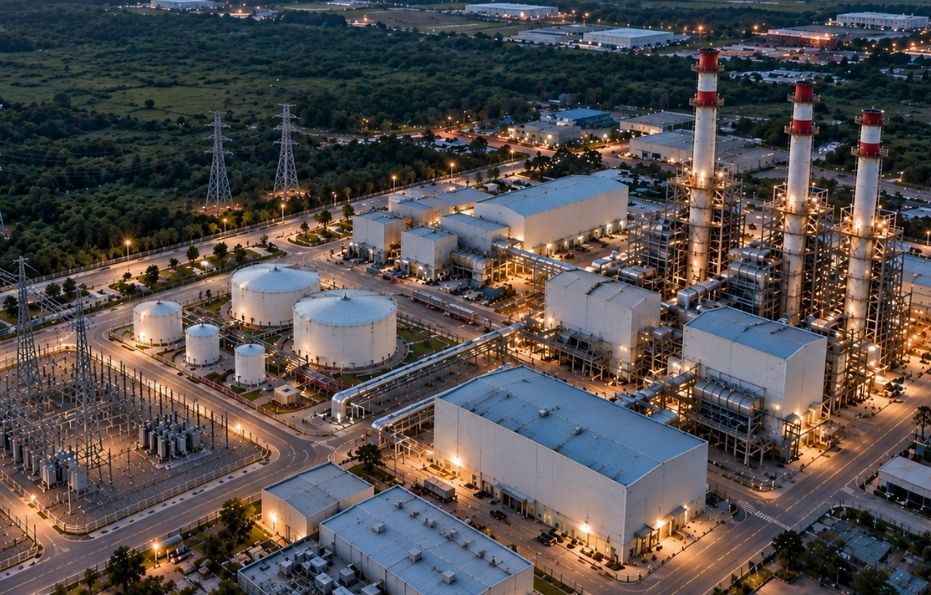
October 19, 2026 - Energy security now prices into Latin American power credit, and capital structure, not falling rates, decides which dispatchable projects close.
Discover Delphos' premier capital raising and financial advisory services, making an impact across five continents.
Learn More
Reach out to us to enhance your impactful business in private emerging markets by Delphos' tailor-made financial advisory and capital raising service.
Learn More
Delphos arranges capital raising (debt and equity) and transaction advisory for emerging-market project sponsors and operating corporates across Africa, Asia, Latin America and the Caribbean, and Emerging Europe.
Thank you for submitting the form. Our team will reach out to you soon.
In the meanwhile follow us on LinkedIn to get inspired daily.
Visit LinkedIn
We appreciate your interest in Delphos!
Could you let us know how you discovered us?
We are here to help. Reach out to schedule an introductory call with one of our team members and learn more about how Delphos Cybersecurity can benefit your organisation.

Tell us a bit about your needs so we can match you with the right advisor.

Stay ahead on impactful stories and industry trends in private emerging markets - the knowledge you need is just a click away.
We appreciate your interest in Delphos!
Could you let us know how you discovered us?


